


















10 Common Mistakes to Avoid When Writing Your CDR Report
Discover the major problems engineers face while writing a CDR for Engineers Australia and learn effective tips to avoid mistakes for a successful assessment.

For engineers planning to migrate to Australia, the Competency Demonstration Report (CDR) is one of the most critical documents required by Engineers Australia for skill assessment. While many engineers understand the importance of a CDR, writing it correctly is often a challenging task. Several common problems can arise during the preparation of a CDR, and being aware of these issues can help applicants avoid mistakes and improve their chances of a successful skill assessment.
Lack of Understanding of CDR Structure
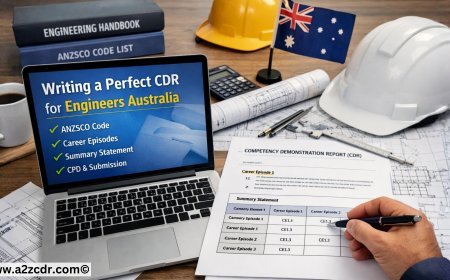
One of the biggest challenges engineers face is understanding the proper structure of a CDR. A standard CDR requires three career episodes, a summary statement, and a Continuing Professional Development (CPD) record. Many applicants struggle with organizing their reports according to Engineers Australia guidelines, which can result in incomplete or improperly formatted submissions. Misunderstanding what should be included in each section often leads to delays or outright rejection.
Difficulty Highlighting Relevant Engineering Competencies
Another common problem is demonstrating the right competencies. Engineers must clearly show how their education and professional experience meet the standards set by Engineers Australia. Many applicants either provide vague descriptions of their work or fail to link their experiences to the required competency elements. Without clearly highlighting technical knowledge, problem-solving skills, and professional responsibilities, the CDR may not satisfy the assessment criteria.
Language and Writing Challenges
Engineers whose first language is not English often face difficulties in writing in clear, professional English. A CDR must be free of grammatical errors, jargon, and plagiarism while maintaining technical accuracy. Poor language or writing style can reduce the clarity and impact of a report, making it harder for assessors to understand the engineer’s competencies.
Risk of Plagiarism
Plagiarism is a major concern in CDR submissions. Engineers Australia uses advanced plagiarism detection tools, and reports that contain copied content are often rejected immediately. Many engineers struggle to rewrite project descriptions and technical work in their own words, leading to high rejection rates. Understanding how to present original content while effectively describing technical achievements is crucial.


Inadequate Documentation of Projects and Achievements
Another common issue is the lack of detailed documentation for academic projects and professional work. Engineers often fail to provide sufficient evidence or supporting documents to validate their claims. Without proper project descriptions, diagrams, or references, assessors may question the authenticity and relevance of the work, negatively affecting the outcome of the skill assessment.
Misunderstanding Engineers Australia Guidelines
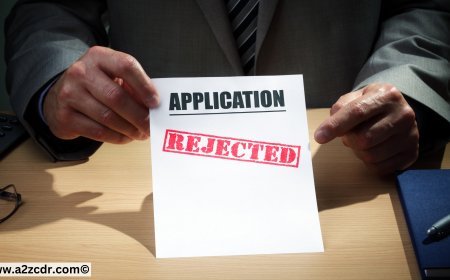
Engineers Australia has strict rules regarding formatting, word limits, and document submission. Many engineers fail to comply with these guidelines, which can result in delays or outright rejection of the CDR. Common mistakes include exceeding word counts for career episodes, improper structuring of the summary statement, and missing key supporting documents.
Time Management and Preparation Issues
Preparing a high-quality CDR is a time-consuming process. Engineers often underestimate the effort required to write three detailed career episodes, a summary statement, and compile supporting documents. Rushed submissions often lack clarity, completeness, and attention to detail, reducing the likelihood of a positive skill assessment.
Tips to Overcome Common CDR Problems
Despite these challenges, engineers can improve their chances of success by following best practices:
-
Thoroughly understand Engineers Australia’s CDR guidelines before starting.
-
Clearly link work experience and projects to competency elements.
-
Use professional, plagiarism-free writing and proper technical language.

-
Provide detailed documentation and evidence for all projects and achievements.
-
Plan and manage time effectively, allowing multiple revisions for clarity and quality.


Writing a CDR for Engineers Australia can be a complex and challenging process. Common problems include misunderstanding the structure, failing to highlight competencies, language barriers, plagiarism risks, inadequate project documentation, and non-compliance with guidelines. By understanding these challenges and following best practices, engineers can create a strong, well-documented, and original CDR, significantly improving their chances of a successful migration skill assessment.
What's Your Reaction?
 Like
0
Like
0
 Dislike
0
Dislike
0
 Love
0
Love
0
 Funny
0
Funny
0
 Angry
0
Angry
0
 Sad
0
Sad
0
 Wow
0
Wow
0