


















Expert Strategies to Make Your Environmental Engineer CDR Stand Out
Learn how Environmental Engineers can write a winning CDR for Engineers Australia. Expert tips on Career Episodes, Summary Statement, CPD & ANZSCO alignment.

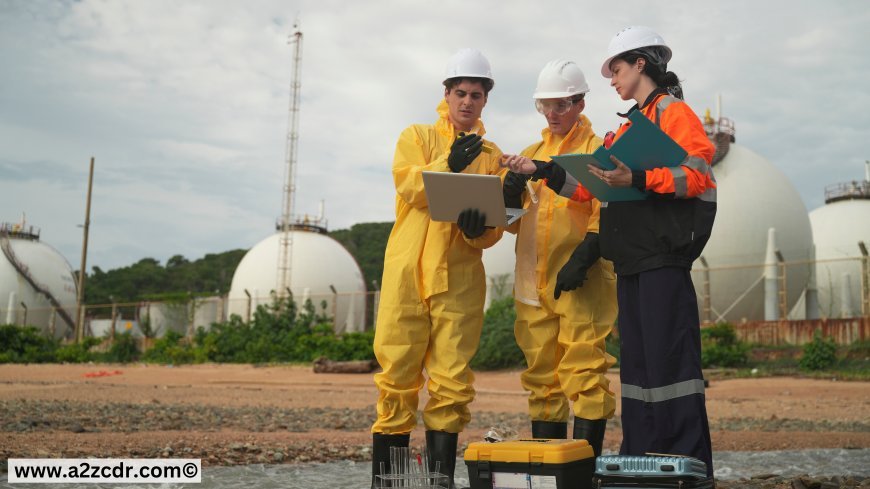
Preparing a Competency Demonstration Report (CDR) as an Environmental Engineer is a crucial step for anyone seeking migration to Australia under the skilled migration program. Engineers Australia (EA) evaluates your CDR to determine whether your qualifications, experience, and professional competencies meet the standards expected of an Environmental Engineer in Australia. Writing a strong, professional, and well-structured CDR is essential to avoid rejection, delays, or requests for additional information. Many engineers struggle to align their experience with the ANZSCO occupation requirements, which can significantly affect their assessment outcome. This comprehensive guide explains how to prepare a high-quality CDR, including practical tips for Career Episodes, Summary Statement, CPD, and overall report presentation.
Understanding the Environmental Engineer ANZSCO Role
The first step in creating an effective CDR is to understand the ANZSCO code for Environmental Engineers. Engineers Australia uses ANZSCO to classify engineering occupations based on skill level, responsibilities, and qualifications. The Environmental Engineer code defines the scope of duties expected from a professional in this field. Typically, an Environmental Engineer’s responsibilities include managing environmental impact assessments, designing sustainable systems, supervising waste management projects, ensuring compliance with environmental regulations, and applying engineering principles to reduce pollution and mitigate environmental risks.
Choosing projects and responsibilities that reflect these duties is critical. Your Career Episodes should demonstrate direct involvement in environmental engineering activities rather than general engineering tasks. Misalignment between your experience and the ANZSCO occupation is one of the most common reasons for negative assessments. Understanding these responsibilities ensures your CDR is targeted, relevant, and showcases your ability to meet Australian professional standards.
Selecting the Right Career Episodes
Career Episodes are the cornerstone of your CDR. For Environmental Engineers, it is important to select projects that illustrate the full range of competencies required by Engineers Australia. Ideally, you should choose three separate projects, each highlighting a different aspect of your expertise.
For example, one episode could focus on environmental impact assessments, detailing how you evaluated the potential effects of industrial projects on ecosystems and communities. Another could highlight waste and water management systems, including design, optimization, and implementation. A third episode might focus on sustainability projects or pollution control initiatives, demonstrating innovative solutions for environmental challenges.


Each episode should narrate your specific role, responsibilities, and achievements. Avoid describing team efforts in general terms. Engineers Australia evaluates individual competency, so your narrative should emphasize your contribution to planning, analysis, design, and implementation. Be clear about the engineering problems you faced, the methods you applied, and the outcomes of your work.
Writing in the First Person
Career Episodes should be written in first-person perspective, using “I” statements. Engineers Australia requires assessors to understand what you personally accomplished rather than what your team or organization achieved. For instance, instead of writing, “The team conducted a site assessment,” you should write, “I conducted the site assessment and identified key environmental risks, recommending solutions to mitigate potential impacts.”
This approach allows you to clearly demonstrate engineering judgment, technical skills, and problem-solving abilities. It also helps differentiate your work from that of colleagues, providing a strong foundation for mapping competencies in the Summary Statement.
Demonstrating Technical Skills and Engineering Knowledge
Environmental Engineering requires a mix of technical expertise, analytical skills, and regulatory understanding. In your CDR, you should show how you applied your engineering knowledge to real-world situations. Include examples of using environmental modeling software, GIS tools, simulation programs, and data analysis techniques.
You should also discuss how you applied regulatory standards and compliance measures. For example, adherence to local environmental laws, Australian Standards, and sustainability frameworks is essential. Engineers Australia looks for evidence that you understand not just the theory but also the practical application of these principles.
Include technical terms relevant to your work, such as wastewater treatment, air and water quality management, EIA (Environmental Impact Assessment), remediation strategies, pollution control techniques, and sustainability planning. Using appropriate terminology demonstrates your professional expertise and aligns your work with industry standards.
Highlighting Problem-Solving and Decision-Making
One of the most critical aspects of your CDR is demonstrating engineering judgment. Environmental Engineers frequently encounter challenges such as unexpected environmental risks, regulatory constraints, limited resources, or conflicting project requirements. In each Career Episode, describe the problem you faced, the steps you took to analyze it, the alternatives you considered, and the solution you implemented.

For instance, if a project involved reducing industrial effluent in a river, explain how you conducted testing, calculated pollutant loads, and implemented a cost-effective mitigation strategy. Include quantitative data, calculations, and technical reasoning wherever possible to strengthen your narrative. Showing measurable outcomes, such as improved water quality or reduced emissions, reinforces your professional competency.
Mapping Competencies in the Summary Statement
The Summary Statement is a critical part of your CDR. It should map each paragraph of your Career Episodes to the relevant competency elements outlined by Engineers Australia. Every claimed competency must be supported by evidence from your Career Episodes. Common competencies for Environmental Engineers include applying environmental engineering techniques, project management, problem-solving, communication skills, and understanding of regulatory compliance.
Incorrect or incomplete mapping is a common reason for rejection. Ensure that you clearly reference which paragraph supports each competency. A well-prepared Summary Statement acts as a bridge between your Career Episodes and Engineers Australia’s assessment criteria, making it easier for assessors to verify your skills.
Including Continuing Professional Development (CPD)
A focused CPD record enhances your CDR by showing your commitment to ongoing learning in environmental engineering. Include workshops, seminars, training programs, certifications, and courses relevant to environmental management, sustainability, pollution control, or emerging technologies. A strong CPD demonstrates that you stay updated with industry standards and best practices, which is valued by Engineers Australia.
Avoiding Common Mistakes
Environmental Engineers often make mistakes that can jeopardize their CDR. Common errors include:
-
Using generic job titles instead of detailing actual responsibilities.
-
Writing Career Episodes that describe team achievements rather than personal contributions.
-
Including irrelevant projects that do not align with the Environmental Engineer ANZSCO code.
-
Plagiarizing content from other sources.
-
Failing to map competencies accurately in the Summary Statement.
Avoiding these mistakes is crucial for a successful assessment. Your CDR should be personalized, original, and fully aligned with Engineers Australia’s requirements.
Writing Style and Presentation
Your CDR should be well-structured, professional, and concise. Use formal English and maintain clarity in all sections. Each Career Episode should follow a logical flow: introduction, background, personal engineering activity, and summary. Avoid overly complex sentences, technical jargon without explanation, or vague statements. Well-organized content improves readability and makes it easier for assessors to understand your competencies.
Professional Assistance Can Improve Your Chances
For many Environmental Engineers, especially those working in multidisciplinary roles, writing a CDR can be overwhelming. Professional CDR writing services, such as A2Z CDR Writing Services, can provide guidance to:
-
Review your work experience and identify relevant projects.
-
Select the most suitable ANZSCO code.
-
Prepare Career Episodes with clear problem-solving examples.
-
Ensure proper competency mapping in the Summary Statement.
-
Create plagiarism-free, high-quality content that aligns with Engineers Australia standards.
Expert support can increase the likelihood of a positive assessment outcome and streamline the migration process.
Writing a strong CDR as an Environmental Engineer requires careful planning, technical clarity, and alignment with Engineers Australia’s requirements. By understanding your ANZSCO code, selecting meaningful projects, emphasizing personal contributions, demonstrating technical expertise, and preparing a detailed Summary Statement and CPD, you can create a compelling report that showcases your competencies. Avoiding common mistakes, adhering to professional standards, and seeking expert guidance when necessary can significantly enhance your chances of receiving a positive skills assessment and achieving your goal of migrating to Australia.
What's Your Reaction?
 Like
0
Like
0
 Dislike
0
Dislike
0
 Love
0
Love
0
 Funny
0
Funny
0
 Angry
0
Angry
0
 Sad
0
Sad
0
 Wow
0
Wow
0